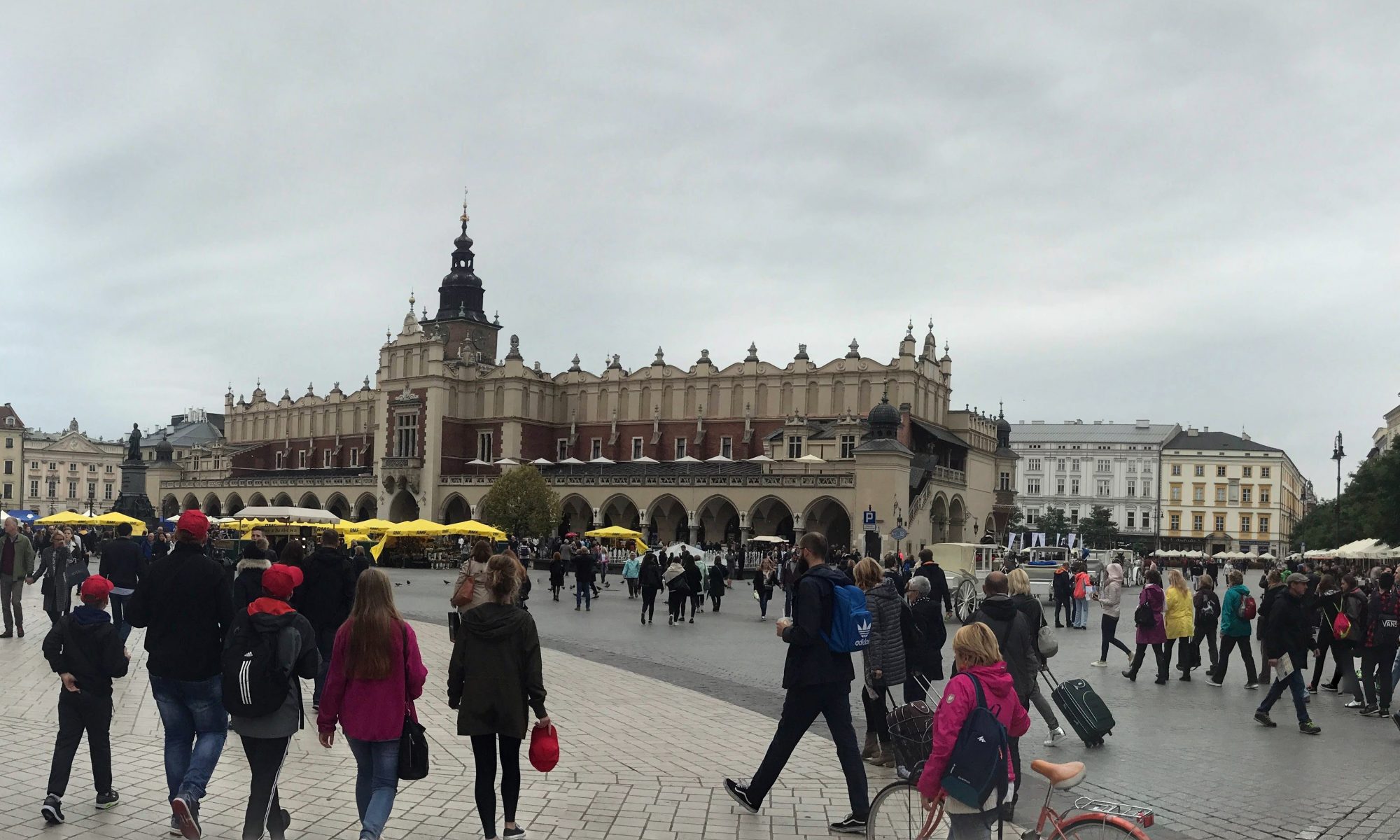
There are several different moral and practical stances that people can take in relation to their social worlds. The scenes above depict one of these possibilities: vociferous protest and active opposition to specific social and political policies. Individuals and groups have ideas about justice and legitimacy. And they have specific material interests that are affected by …
Feasibility conditions on social reform
Several earlier posts have raised the issues of social change and social progress (post, post). People sometimes want society to be different (change), and they want it to be better (progress). But not all outcomes are possible, and some possible outcomes are not sustainable over time. So how should we think about sweeping prescriptions for …
International social science
Last month the International Social Science Council (ISSC) launched a major review of the status of the social sciences worldwide (link). The report was commissioned and partially funded by UNESCO. The full report is available as a PDF file, and it is an important piece of work. It includes review essays by leading social scientists …
The Chinese-American Left in the early 20th century
There hasn't been much historical scholarship on the forms of political activism that existed within the Chinese-American communities in the US in the early part of the twentieth century. Historical research on the Chinese-American community has more often focused on poverty, discrimination, employment, immigration law, and racism. A very important exception to this is the …
Continue reading "The Chinese-American Left in the early 20th century"
Public intellectuals in France and the US
What is the role of the intellectual in France in 2010? And has that role declined in the past several decades? Have the media and the internet profoundly eroded or devalued the voice of the intellectual in public space? The Nouvel Observateur takes up these questions in a recent issue devoted to "Le pouvoir intellectuel" …
Continue reading "Public intellectuals in France and the US"
Truth and reconciliation commissions
When does a society need a process of "truth and reconciliation" along the lines of such processes in South Africa, El Salvador, and Argentina? Here are some recent examples of truth and reconciliation processes: the fate of the "disappeared" in Argentina (link); Indian Residential Schools in Canada (link); Korean War civilian casualties (link); Liberian civil conflict (link); …
Concrete sociological knowledge
Is there a place within the social sciences for the representation of concrete, individual-level experience? Is there a valid kind of knowledge expressed by the descriptions provided by an observant resident of a specific city or an experienced traveler in the American South in the 1940s? Or does social knowledge need to take the form …
Short thoughts from Clifford Geertz
Clifford Geertz was a frequent contributor to the New York Review of Books, and he succeeded remarkably well in bridging the gap between the university and the public in many of his "postings." (I think of these contributions as a pre-web version of a blog.) Many of these contributions are collected in a superb recent …
More on jobs and people in Michigan
Olivier Blanchard and Lawrence Katz did an important empirical study of regional adjustment to employment shock in 1992 (link). Here is their central conclusion: "We have shown that most of the adjustment of states to shocks is through movements of labor, rather than through job creation or job migration." (54) In other words, they find …
Spatial patterns in the US
Here are four interesting graphics representing different kinds of activity in the United States. The top panel represents population concentrations across the United State. The second image is air traffic across the country, and the third image is internet traffic across the country. The final image is a photograph of the United States from space …
 Understanding Society