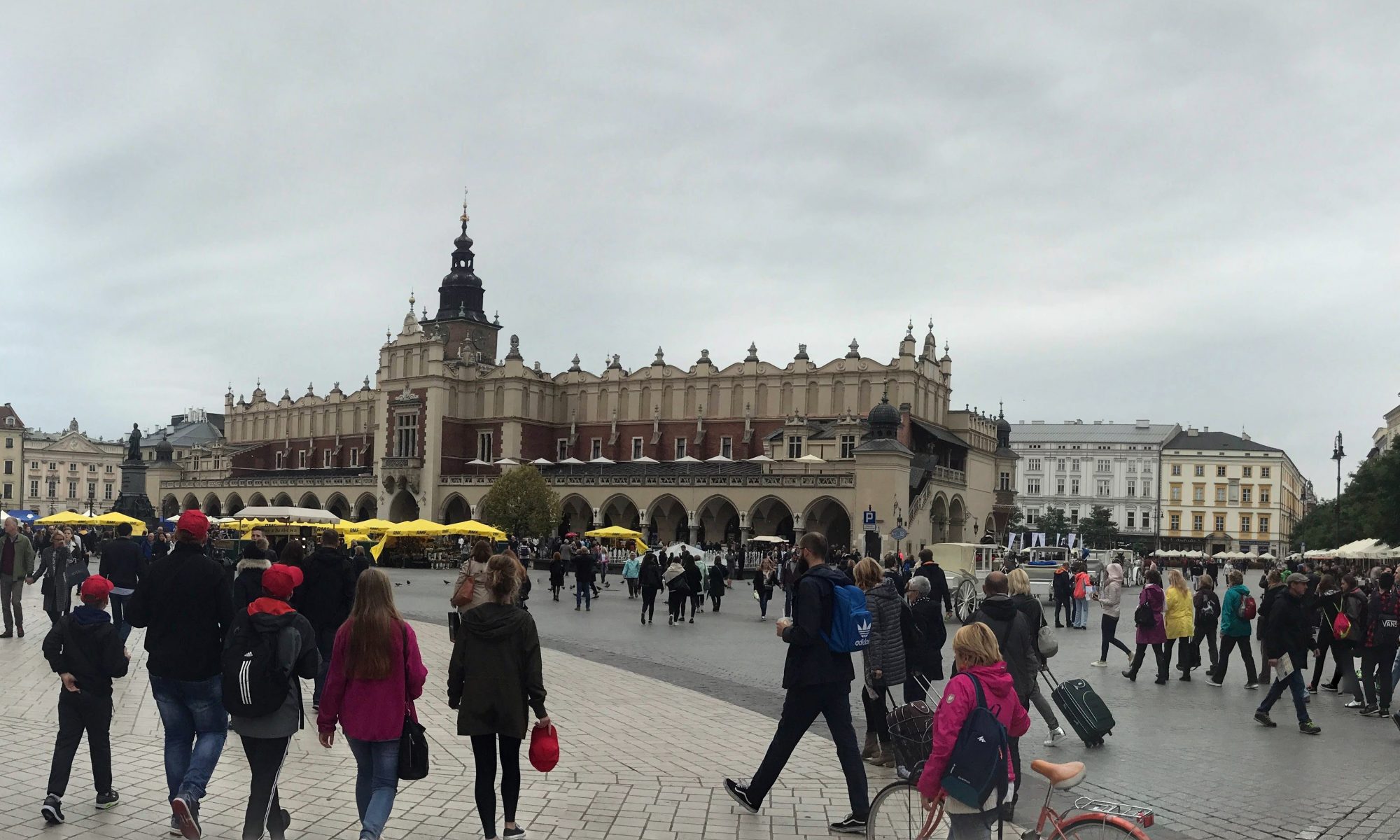
Chuck Tilly's influence extended to many areas of world history. Visit this posting on TheChinaBeat for some reflections on Chuck's influence on the China field.
Wittgenstein and "understanding society"
Does Wittgenstein's philosophy in the Philosophical Investigations have anything distinctive to add to better ways of understanding society? And is there anything in Wittgenstein's philosophy that contributes to the philosophy of social science? (These are different questions, even though they seem to be closely related; the first question is conceptual or ontological, whereas the second …
Trust and corruption
The recent collapse of a major skyscraper crane in New York City last month led to a surprising result: the arrest of the city's chief crane inspector on charges of bribery. (See the New York Times story here.) (The story indicates that the facts surrounding the charges are unrelated to this particular crane collapse.) Several …
The professions as an object of study
Several gifted sociologists over the past thirty years have made innovative contributions to the study of the "sociology of professions." Most recent among these is Andrew Abbott, whose book, The System of Professions: An Essay on the Division of Expert Labor, is a superlative contribution to sociological theory formation. Abbott has also given attention to …
Is publicity an important source of power?
What is publicity in the sense intended here? It is shared public knowledge of a given state of affairs. It stands in contrast to secrecy and deception, and it is cognate to transparency. Public knowledge is shared knowledge. And philosophers such as Rawls and Habermas have given great moral importance to this circumstance of publicity …
Continue reading "Is publicity an important source of power?"
Institutions, functions, purposes
An institution is a specific ensemble of interlocked organizations and rules that serve to coordinate and constrain the behavior of a number of individuals; and the specific features of the organization have often been refined to bring about specific effects: enforcement of laws, maximization of tax collections, minimization of corrupt behavior, efficient delivery of services, …
More on what can be explained
A previous posting argued that most social facts don't admit of social explanation because they are too fundamentally conjunctural or too boringly ordinary. Let's extend this thought by considering what sorts of social facts do admit of explanation. One obvious category is the example of a perplexing mid-range social regularity. Why do used cars usually …
Mentalité?
Is there such a thing as a "mentalité" of a people, group, or nation? Take these young people at an Iowa potluck supper, or the traders pictured below at the Chicago Board of Trade -- is there a midwestern mentalité that they can be said to share? What factors might be comprised by such a …
Thinking as a structured process
For some reason I was reminded of a classic and challenging article by Karl Lashley, "The Problem of Serial Order in Behavior" (1951). As I recall, the article was a pivotal contribution to new and productive thinking in what became "cognitive psychology." And it was one of the central components on Noam Chomsky's earliest attacks …
How much of social life can be explained?
How much of social life can be explained? It may sound like a strange question -- surely everything can be explained! And it's true that nothing that occurs is "inexplicable". But consider this homely example: if I spill my coffee on the desk, is there a scientific explanation of the particular shape that the splash …
Continue reading "How much of social life can be explained?"
 Understanding Society