Groups make decisions through processes of discussion aimed at framing a given problem, outlining the group's objectives, and arriving at a plan for how to achieve the objectives in an intelligent way. This is true at multiple levels, from neighborhood block associations to corporate executive teams to the President's cabinet meetings. However, collective decision-making through …
Computational social science
Is it possible to elucidate complex social outcomes using computational tools? Can we overcome some of the issues for social explanation posed by the fact of heterogeneous actors and changing social environments by making use of increasingly powerful computational tools for modeling the social world? Ken Kollman, John Miller, and Scott Page make the affirmative …
Social science and policy
One of the important reasons that we value scientific knowledge is the possibility that it will allow us to intervene in the world to solve problems that we care about. Good climate science allows us to have high confidence in the causes of global climate change; and it also provides a sound basis for policy …
Social consciousness and critical realism
Critical realism proposes an approach to the social world that pays particular attention to objective and material features of the social realm -- property relations, impersonal institutional arrangements, supra-individual social structures. Between structure and agent, CR seems most often to lean towards structures rather than consciously feeling and thinking agents. And so one might doubt …
Continue reading "Social consciousness and critical realism"
Sustaining a philosophy research community
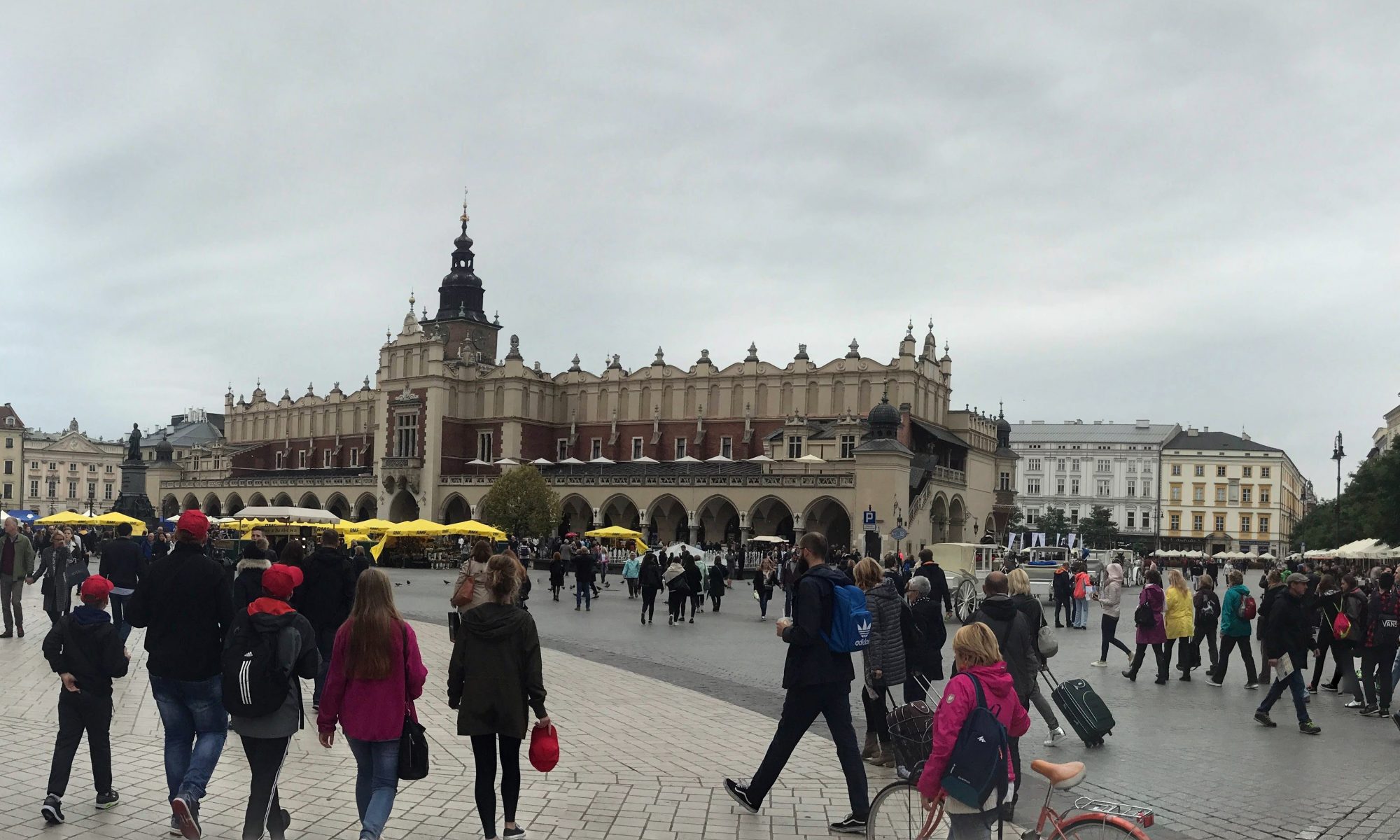
The European Network for Philosophy of Social Science (ENPOSS) completed its annual conference in Krakow last week. It was a stimulating and productive success, with scholars from many countries and at every level of seniority. ENPOSS is one of the most dynamic networks where genuinely excellent work in philosophy of social science is taking place …
Continue reading "Sustaining a philosophy research community"
New thinking about causal mechanisms
Anyone interested in the topic of causal mechanisms will be interested in the appearance of Stuart Glennan and Phyllis Illari's The Routledge Handbook of Mechanisms and Mechanical Philosophy. Both Glennan and Illari have been significant contributors to the past fifteen years of discussion about the role of mechanisms in scientific explanation, and the Handbook is …
Guest post by Dave Elder-Vass
[Dave Elder-Vass accepted my invitation to write a response to my discussion of moral realism (link). Elder-Vass is Reader in sociology at Loughborough University and author of Profit and Gift in the Digital Economy, The Causal Power of Social Structures: Emergence, Structure and Agency and The Reality of Social Construction, discussed here, here and here. Dave has emerged as a leading voice in …
Moral progress and critical realism
Critical realists share a rejection of the fact-value distinction as a fundamental criterion of scientific rationality -- and rightly so (link). They believe that social research and theorizing involve value commitments all the way down. Further, they commonly believe that good social science should lead to improvement in the world and in our system of …
Time for a critical-realist epistemology
The critical realism network in North America is currently convened in Montreal in a three-day intensive workshop (link). In attendance are many of the sociologists and philosophers who have an active interest in critical realism, and the talks are of genuine interest. A session this morning on pragmatist threads of potential interest to critical realists, …
Guest post by Guus Duindam
Guus Duindam is a J.D./Ph.D. student in philosophy at the University of Michigan. His primary areas of interest are Ethics and Kant. Thanks, Guus, for providing this rigorous treatment of Bhaskar's philosophical argument for critical realism. Bhaskar contra Kant: Why Critical Realism is not Transcendental Realism Let me start by thanking Dan Little for inviting …
 Understanding Society